Who is Carl Jung?

The Swiss psychiatrist whose exploration of the unconscious transformed our understanding of the human psyche.

Carl Gustav Jung (1875–1961) was a Swiss psychiatrist and psychoanalyst whose work fundamentally shaped modern depth psychology. His investigations into the unconscious, dreams, mythology, and the structure of the psyche opened pathways to self-understanding that continue to influence psychology, psychotherapy, and culture worldwide.

Jung called his approach analytical psychology to distinguish it from other schools of thought. He believed psychological exploration should honor the full complexity of human experience—including dimensions of meaning, creativity, and spirituality that other approaches often set aside.

Formation of a Pioneer

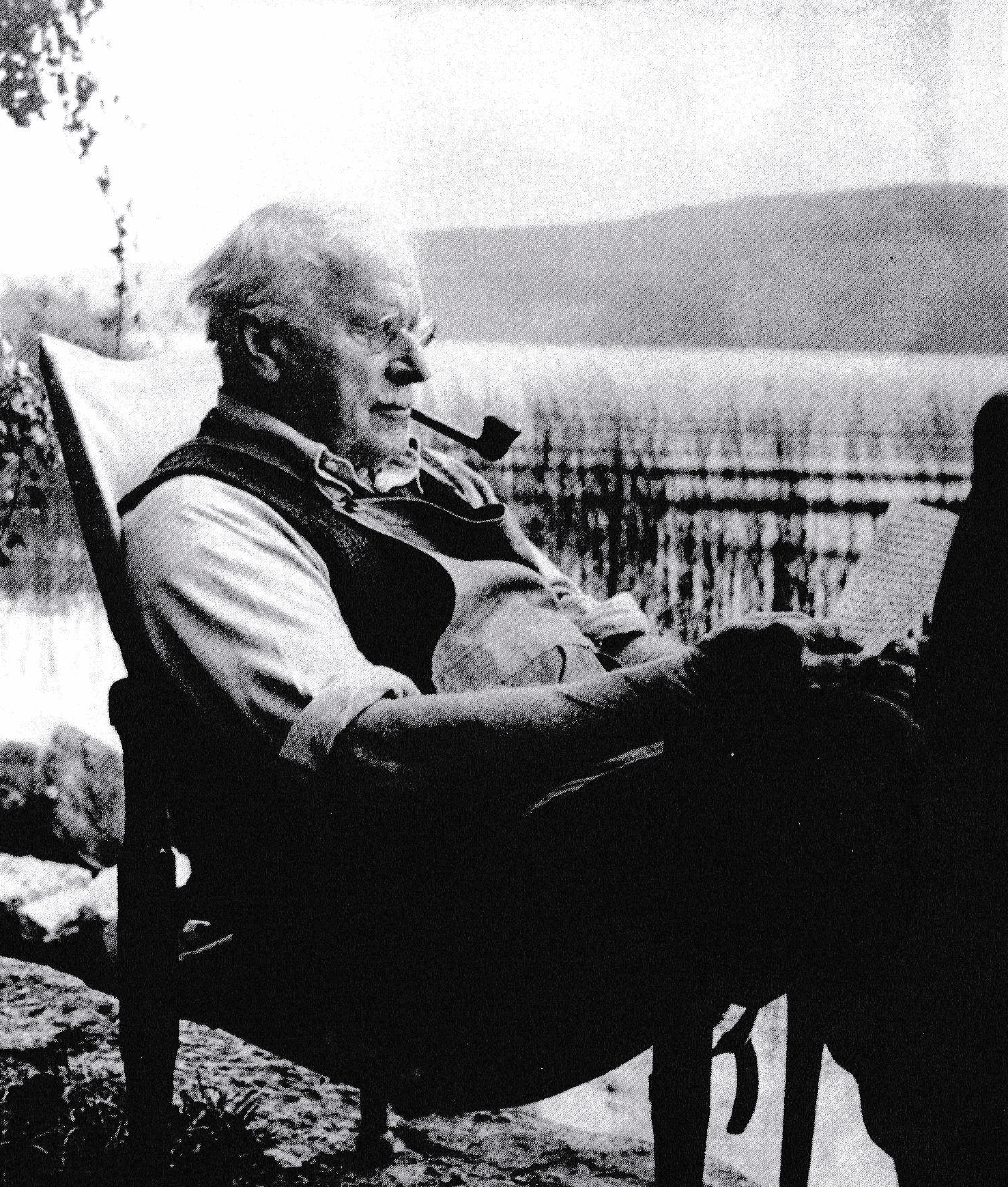
Jung was born in Kesswil, Switzerland, to a Protestant minister and his wife. From childhood, he was drawn to questions of inner experience, dreams, and the nature of the soul. He studied medicine at the University of Basel and chose psychiatry—then a relatively neglected field—because it represented the intersection of scientific inquiry and the life of the psyche. His early career at the Burghölzli Clinic in Zurich, one of Europe's foremost psychiatric hospitals, established his scientific reputation. There he developed word association experiments that provided empirical evidence for the existence of emotionally charged complexes in the unconscious—clusters of feelings, memories, and associations organized around particular themes.

Formation of a Pioneer

Jung was born in Kesswil, Switzerland, to a Protestant minister and his wife. From childhood, he was drawn to questions of inner experience, dreams, and the nature of the soul. He studied medicine at the University of Basel and chose psychiatry—then a relatively neglected field—because it represented the intersection of scientific inquiry and the life of the psyche. His early career at the Burghölzli Clinic in Zurich, one of Europe's foremost psychiatric hospitals, established his scientific reputation. There he developed word association experiments that provided empirical evidence for the existence of emotionally charged complexes in the unconscious—clusters of feelings, memories, and associations organized around particular themes.

A Consequential Partnership

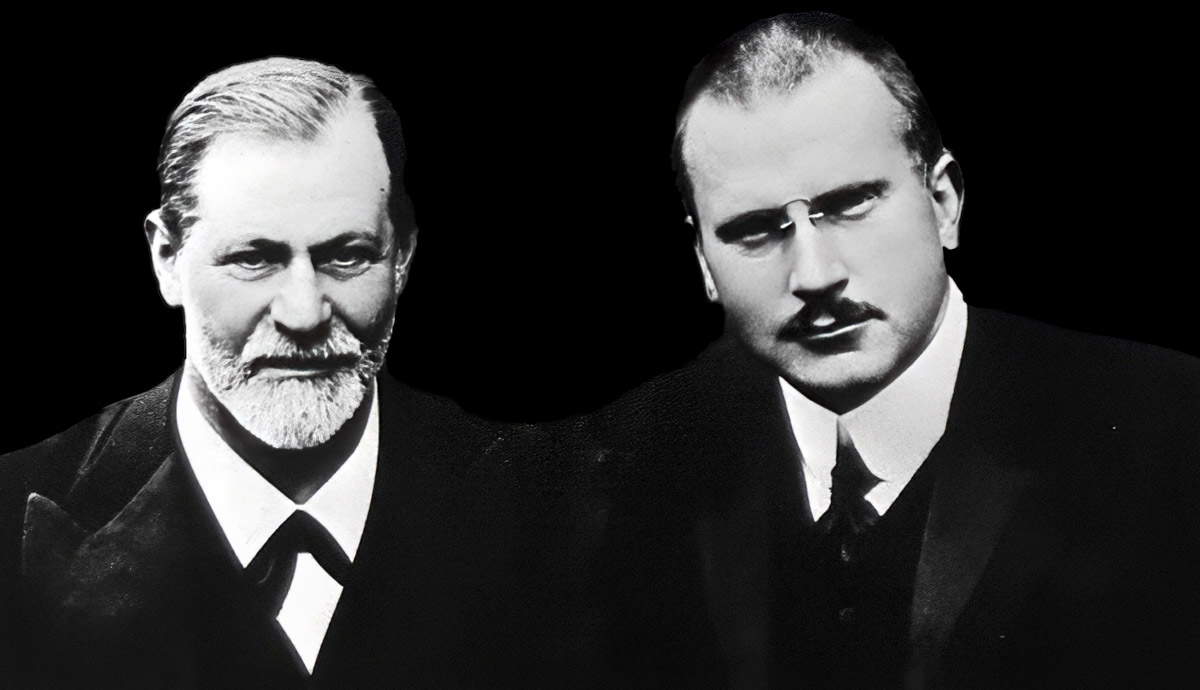
Jung's reading of Sigmund Freud's The Interpretation of Dreams led to an intense professional relationship. The two men collaborated closely from 1907 to 1913, with Freud initially viewing Jung as his intellectual heir. Their eventual break stemmed from fundamental theoretical differences. While Freud emphasized sexuality and viewed the unconscious primarily as a repository of repressed personal experience, Jung came to understand the unconscious as far more expansive—containing not only personal material but also universal patterns shared across humanity. This departure was painful for both men but necessary for Jung's independent contributions to emerge.

A Consequential Partnership

Jung's reading of Sigmund Freud's The Interpretation of Dreams led to an intense professional relationship. The two men collaborated closely from 1907 to 1913, with Freud initially viewing Jung as his intellectual heir. Their eventual break stemmed from fundamental theoretical differences. While Freud emphasized sexuality and viewed the unconscious primarily as a repository of repressed personal experience, Jung came to understand the unconscious as far more expansive—containing not only personal material but also universal patterns shared across humanity. This departure was painful for both men but necessary for Jung's independent contributions to emerge.

The Black & Red Book Years

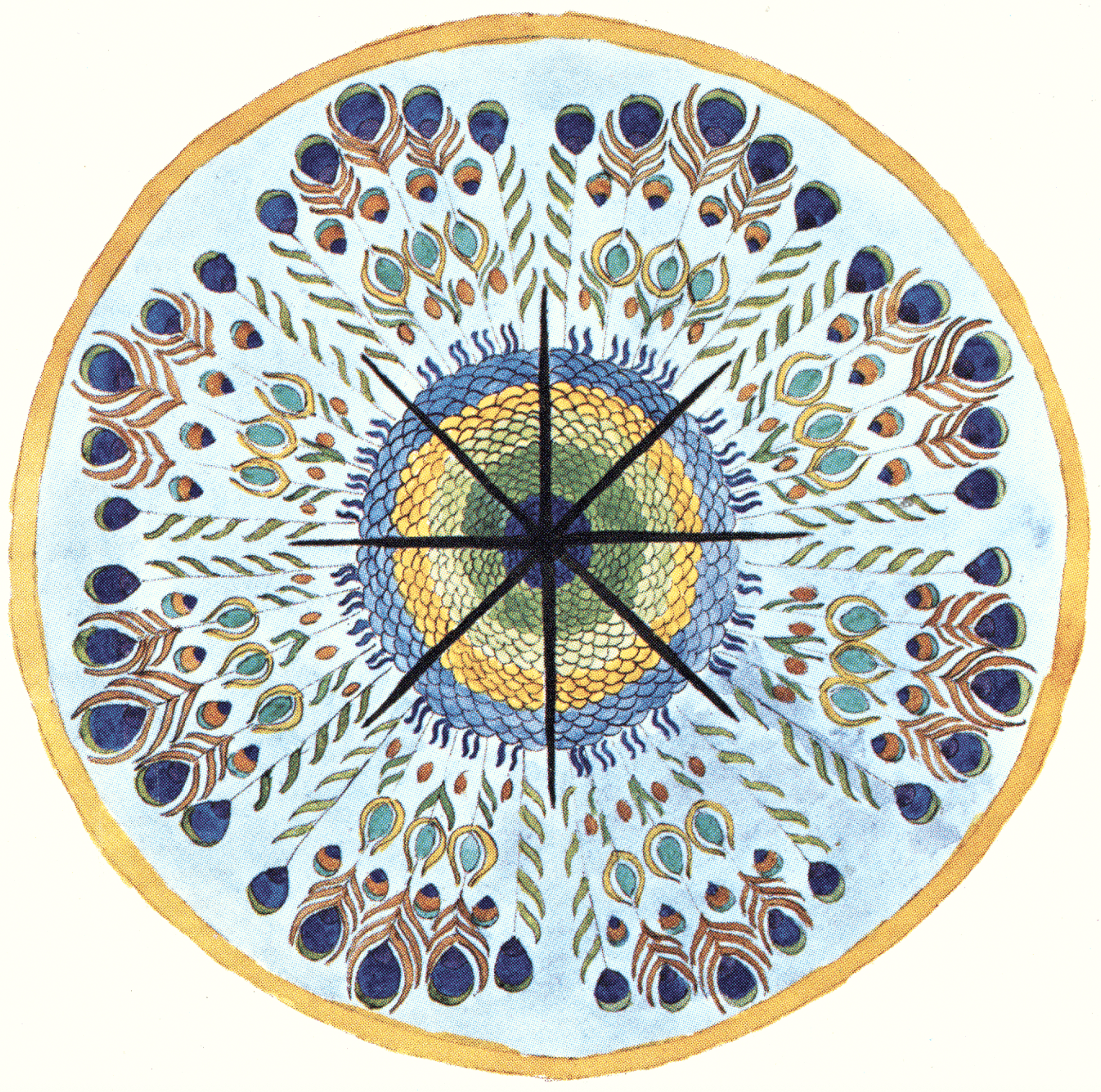
Following his break with Freud, Jung entered a period of profound inner turmoil that he later called his "confrontation with the unconscious." From 1913 to 1917, he deliberately engaged with fantasies, visions, and dream imagery, recording his experiences in what would eventually become The Red Book—a richly illustrated manuscript not published until 2009. This difficult period proved foundational. Jung emerged with the core insights that would shape his mature thought: the reality of the collective unconscious, the nature of archetypes, and the process of individuation. He later wrote that the years of his inner confrontation were the most important of his life, providing the raw material he would spend decades elaborating.

The Black & Red Book Years

Following his break with Freud, Jung entered a period of profound inner turmoil that he later called his "confrontation with the unconscious." From 1913 to 1917, he deliberately engaged with fantasies, visions, and dream imagery, recording his experiences in what would eventually become The Red Book—a richly illustrated manuscript not published until 2009. This difficult period proved foundational. Jung emerged with the core insights that would shape his mature thought: the reality of the collective unconscious, the nature of archetypes, and the process of individuation. He later wrote that the years of his inner confrontation were the most important of his life, providing the raw material he would spend decades elaborating.

Foundations

The Collective Unconscious

Beyond the personal unconscious—unique to each individual—Jung proposed a deeper layer of the psyche shared by all humanity. This collective unconscious contains universal patterns and images that appear across cultures and throughout history.
The Collective Unconscious

Beyond the personal unconscious—unique to each individual—Jung proposed a deeper layer of the psyche shared by all humanity. This collective unconscious contains universal patterns and images that appear across cultures and throughout history.

Archetypes

These universal patterns—the Shadow, the Anima and Animus, the Self, the Mother, the Hero, and others—emerge in dreams, myths, and creative expression across all cultures. They represent fundamental modes of human experience.

Archetypes

These universal patterns—the Shadow, the Anima and Animus, the Self, the Mother, the Hero, and others—emerge in dreams, myths, and creative expression across all cultures. They represent fundamental modes of human experience.

Psychological Types

Jung identified basic orientations of personality—introversion and extraversion—along with four psychological functions: thinking, feeling, sensation, and intuition. His typology influenced later personality frameworks and remains clinically relevant.

Psychological Types

Jung identified basic orientations of personality—introversion and extraversion—along with four psychological functions: thinking, feeling, sensation, and intuition. His typology influenced later personality frameworks and remains clinically relevant.

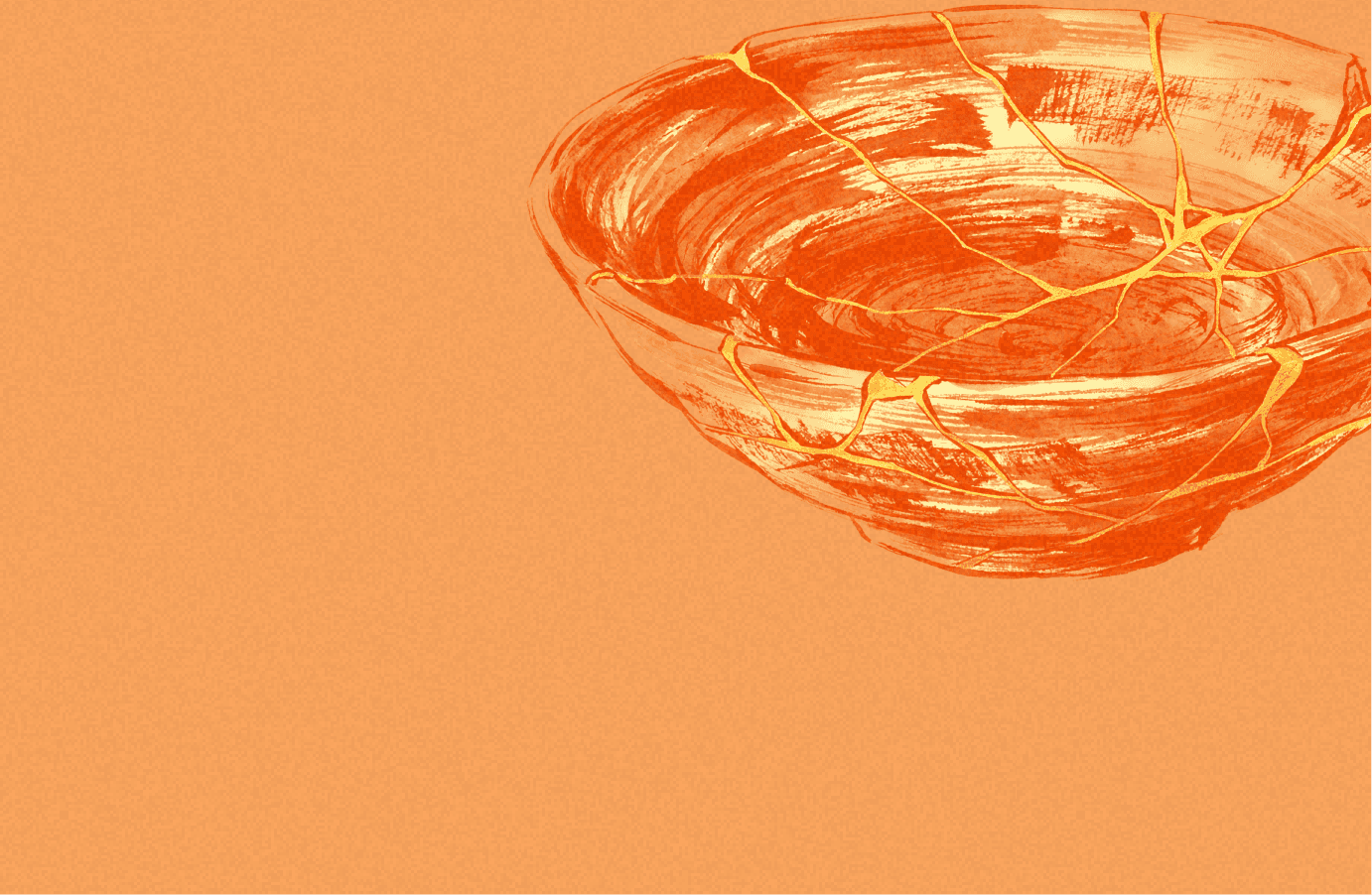
Individuation

Jung described individuation as the lifelong process of becoming who one truly is—integrating unconscious aspects of the personality with conscious awareness to achieve greater wholeness. This developmental journey, rather than symptom relief alone, is the ultimate aim of analytical psychology.
Individuation

Jung described individuation as the lifelong process of becoming who one truly is—integrating unconscious aspects of the personality with conscious awareness to achieve greater wholeness. This developmental journey, rather than symptom relief alone, is the ultimate aim of analytical psychology.

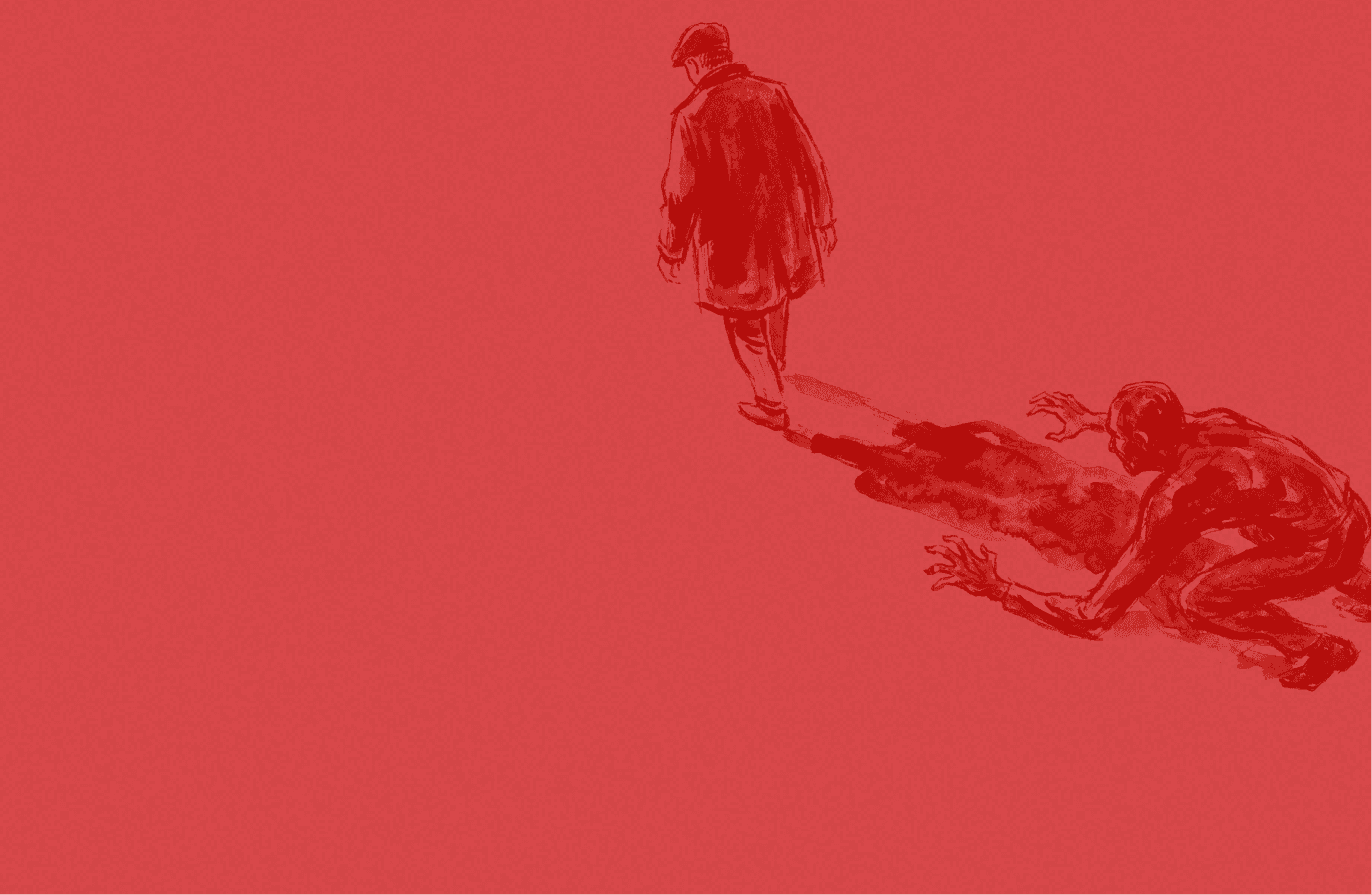
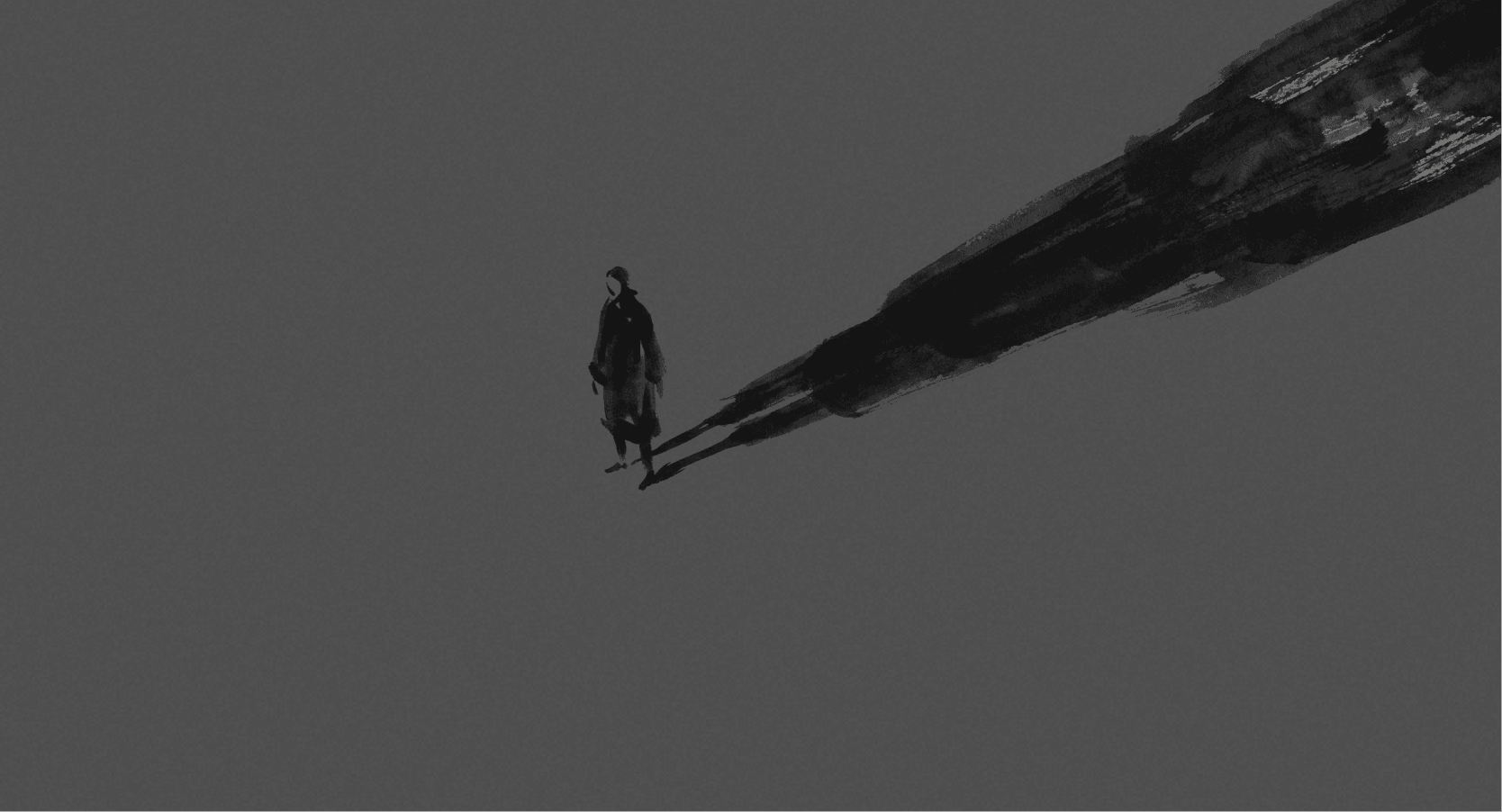
The Shadow

Jung recognized that each person carries a shadow—those aspects of oneself that remain unconscious, denied, or undeveloped. Integrating the shadow, rather than projecting it onto others, is essential for psychological maturity.

The Shadow

Jung recognized that each person carries a shadow—those aspects of oneself that remain unconscious, denied, or undeveloped. Integrating the shadow, rather than projecting it onto others, is essential for psychological maturity.

Later Work and Legacy- 

A Living Tradition

Jung remained intellectually active throughout his long life, publishing major works into his eighties. His interests expanded to include alchemy, synchronicity, Eastern philosophy, and the psychology of religion—all understood as expressions of universal psychological processes.

His influence extends far beyond clinical practice. Writers, artists, filmmakers, and scholars across disciplines have drawn on his ideas. Concepts like introversion and extraversion, the collective unconscious, and archetypes have entered everyday language. Today, Jungian analysis is practiced globally through training institutes on every continent, united through the International Association for Analytical Psychology (IAAP). Jung's work continues to evolve as contemporary analysts integrate his foundational insights with new clinical understanding and cultural perspectives.

Professional Excellence

in Jungian Analysis

28 East 39th Street

New York, New York 10016

212-986-5458

Find an Analyst

© 1962-2026 New York Association of Analytical Psychology

Disclaimer

Privacy Policy

Professional Excellence

in Jungian Analysis

28 East 39th Street

New York, New York 10016

212-986-5458

Find an Analyst

© 1962-2026 New York Association of Analytical Psychology

Disclaimer

Privacy Policy

Professional Excellence

in Jungian Analysis

28 East 39th Street

New York, New York 10016

212-986-5458

Find an Analyst

© 1962-2026 New York Association of Analytical Psychology

Disclaimer

Privacy Policy

Professional Excellence

in Jungian Analysis

28 East 39th Street

New York, New York 10016

212-986-5458

Find an Analyst

© 1962-2026 New York Association of Analytical Psychology

Disclaimer

Privacy Policy